Stacey Dooley Cleans Up in Plymouth with Cleanup Champion El Clarke To Tackle Green Fly-tipping
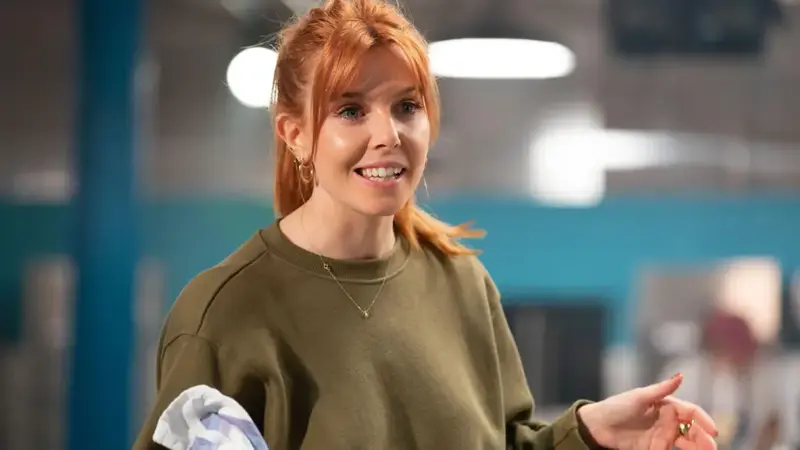
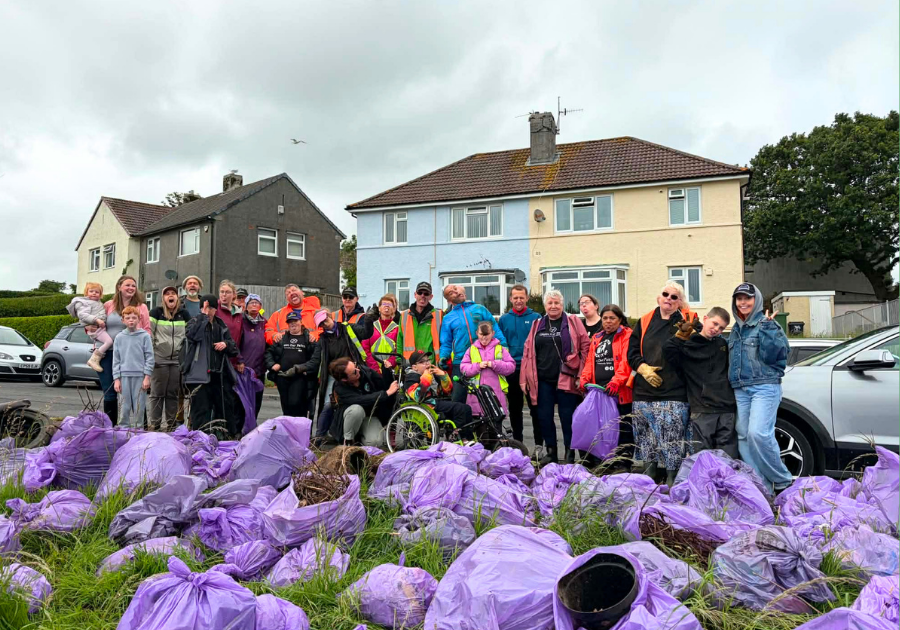
When 70 volunteers came together in Plymouth for a special community litter-pick, they cleared an incredible 218 bags of litter, while shining a spotlight on an often-overlooked environmental problem, green fly-tipping.
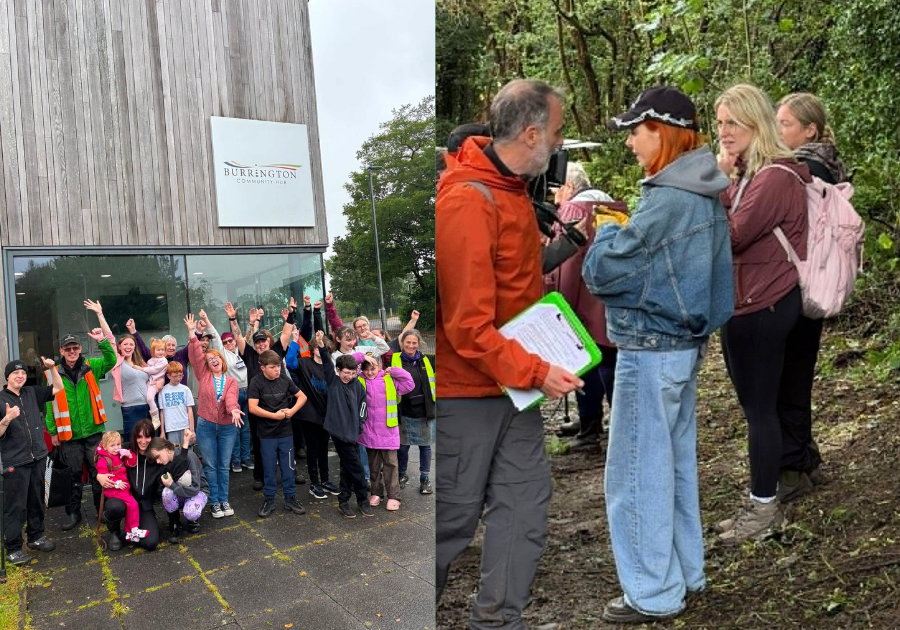
CleanupUK Champion and Founder of Clean Our Patch CIC El Clarke, brought together volunteers from across the community and formed part of filming for the upcoming BBC series Stacey Dooley Cleans Up.
Stacey Dooley joined volunteers in Honicknowle, Plymouth, to help tackle litter and years of accumulated green waste in an area that local volunteers have been working hard to restore.
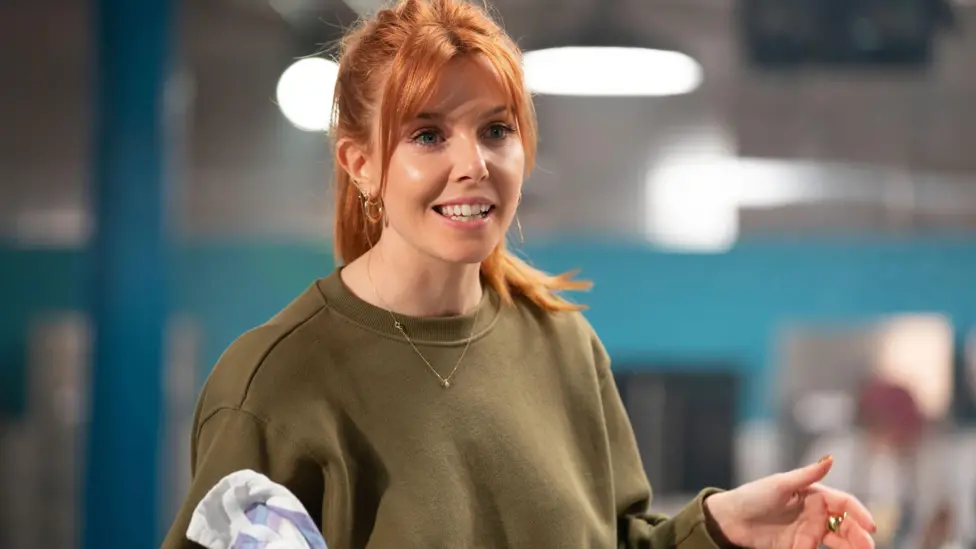
Image Credit: BBC
For El, the event was about much more than picking up rubbish. It was an opportunity to show what community action can achieve when people come together to care for the places around them.
70 volunteers clear 218 bags of litter in Plymouth
The litter-pick took place at Masefield Gardens in Honicknowle, an area that El and fellow volunteers from Clean Our Patch CIC (COP) had been working on for several years.
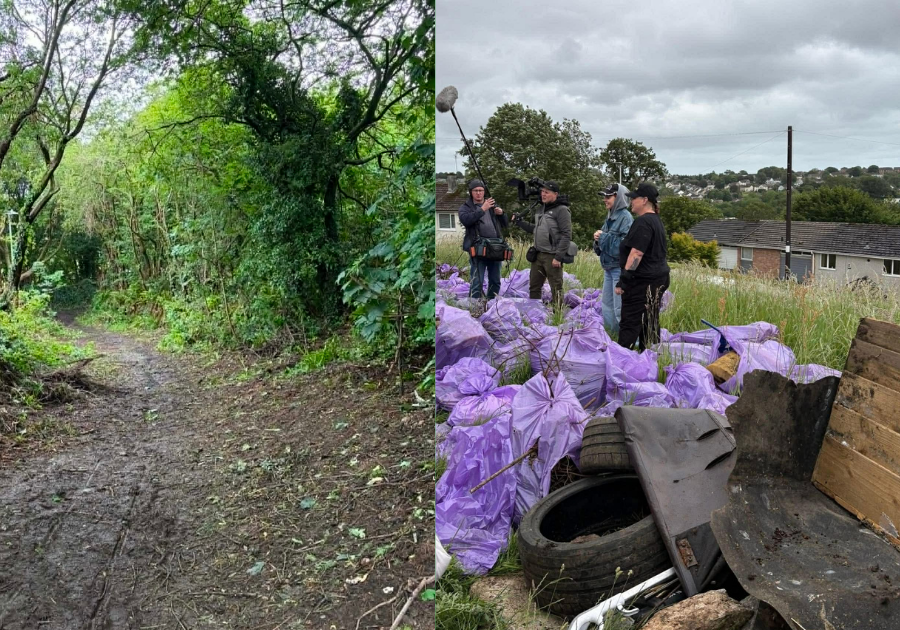
In total, 70 volunteers took part and cleared 218 bags of litter. Among the more unusual discoveries were a rabbit hutch, tyres, two televisions and a large quantity of dirty nappies.
While the visible litter was a major focus, the volunteers were also tackling something less obvious, a substantial amount of green fly-tipping.
El explained that the area had been a long-term priority for Clean Our Patch, but that the scale of the work meant extra support was needed.
“We had been plugging away at it for a few years, but we needed more help to clear not only the litter but also the huge amount of green fly-tipping.”
The green waste had been accumulating for years and was having an impact on the surrounding environment, including the nearby ancient woodland.
Plymouth City Council also supported the clean-up by removing some of the larger fly-tipped trees and green waste that volunteers would not have been able to move themselves.
Why green fly-tipping can be harmful to nature
Green waste might seem harmless compared with other forms of fly-tipping. After all, grass cuttings, branches and other garden waste are natural materials, but where green waste is repeatedly dumped, it can have a serious impact on local habitats.
Large quantities of garden waste can alter the composition of the soil and introduce or encourage non-native plants. This can make it harder for a diverse range of native plants to thrive. Changes to plant life can then have a knock-on effect throughout the ecosystem, affecting insects, birds and other wildlife that depend on native species.
This was one of the key environmental issues that the BBC was interested in exploring through the Plymouth litter-pick. As El put it,
"green fly-tipping is an issue that is not well known or talked about very often because people often assume that organic material cannot cause environmental harm."
The Plymouth clean-up demonstrated why that assumption needs to change. From Clean Our Patch to CleanupUK Champion, El Clarke is the co-founder of Clean Our Patch CIC, which she established with her partner Ash Samuels in 2018.
What began as a local initiative has grown into a community-led environmental organisation involving groups across Plymouth. Clean Our Patch is about much more than litter-picking. The organisation works to bring people together, care for neglected spaces and give local residents the opportunity to make a visible difference in their own communities. Becoming a CleanupUK Champion has given El another way to build connections between local groups and encourage more people to take action.
“Becoming a Clean Up Champ has further empowered me to take action.”
Stacey Dooley joins Plymouth volunteers
The opportunity to work with Stacey Dooley and the BBC came about after producers contacted El Clarke by email in October 2025. The Plymouth litter-pick subsequently became part of filming for Stacey Dooley Cleans Up, a new BBC documentary series exploring the UK's litter and fly-tipping crisis and the communities working to tackle it.
Before the event, El told the BBC that the team would be working to clear an overgrown area in Honicknowle that had suffered from green fly-tipping for many years. She joked that Stacey might need her wellies, describing the area as having knee-high stinging nettles.
The BBC's interest in the Plymouth clean-up was particularly significant because it offered an opportunity to highlight the less visible consequences of fly-tipping and the community effort required to put things right.
The series is expected to air on BBC Daytime in early 2027, although the exact broadcast date has not yet been announced.
Litter picking is about people as well as places
For El, one of the most important messages from the event is that litter picking should not be seen simply as a way of making an area look cleaner. Litter can affect communities in many ways. Neglected and littered spaces can contribute to people feeling that their neighbourhood is unloved, while visible litter can encourage further littering.
Community clean-ups can begin to reverse that cycle. They give residents the chance to take ownership of the places around them, meet other people and see their neighbourhood differently.
For El, that sense of inclusion is at the heart of Clean Our Patch and her work at CleanupUK.
“We are not just litter-picking. We are caring for neglected areas of the community whilst empowering communities to make a difference.”
She describes the groups as a way of connecting people with places on their doorstep and creating an environment where everyone can feel part of the team. That makes community clean-up events about much more than the number of bags collected. They are about community, connection, confidence and creating safer, more cared-for places to live.
What needs to change to tackle litter and fly-tipping?
While community litter picks can make an immediate difference, El believes real change needs to come from both policymakers and councils, alongside strong grassroots community action. Higher fines, better enforcement and faster removal of both green and general fly-tipping are all important, but they need to work hand in hand with local communities to have a lasting impact. Education is equally vital and we need to see more awareness and education around litter, fly-tipping and environmental responsibility in schools, online and on television.
The Plymouth clean-up showed what can happen when a community comes together with a shared purpose. Years of accumulated green fly-tipping were tackled and a local environmental group given a national platform to explain why this work matters.
The day was also an opportunity to demonstrate that community litter-picking is about more than simply removing rubbish. It is about empowering people to care for where they live, connecting neighbours and helping people feel included and it’s about restoring neglected spaces and protecting local wildlife.
El and the volunteers demonstrate, lasting change starts locally, one community, one clean-up and one bag of litter at a time.
The upcoming Stacey Dooley Cleans Up programme will bring these issues to a much wider audience, but the work in Plymouth will continue long after filming ends.
As a CleanupUK Champion, El continues to connect communities, support local clean-up activity and encourage people to take pride in the places they call home.